

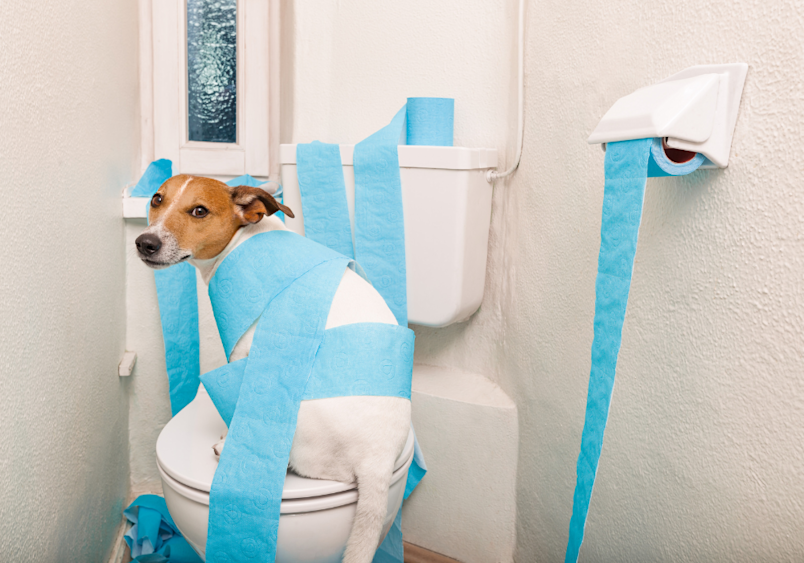
Diarrhea in dogs isn’t just stressful for them, it’s a full-on test of your laundry, cleaning, and problem-solving skills
No matter how hard you try, your dog is bound to show up with loose, watery stools at some points during their lifetime. Fortunately, most cases of diarrhea are nothing more than a messy cleanup, but they can indicate serious issues, especially when it doesn’t let up or is accompanied by other signs of illness. Let’s talk more about dog diarrhea so that you better understand what you can do about it and when to let your vet take control.
Understanding Dog Diarrhea
Diarrhea is loose, watery, frequent stools. It happens when there’s an intestinal disruption that makes ingesta, which is just the food and fluid working their way through your dog’s gut, move through more quickly. This prevents the intestines from absorbing enough water and nutrients from the material moving through them. The less water that’s absorbed by the body, the more that goes into the feces, creating that watery looseness. From diet to illness, there are a lot of things that can throw a dog’s digestive system off balance.
Types of Dog Diarrhea
You probably don’t really want to analyze the type of diarrhea your dog makes, but knowing the different traits can help determine the cause.
Recognizing whether diarrhea originates in the small or large intestine is especially useful, because each tends to show different traits:
Small intestine diarrhea:
Large volumes of feces
Often smelly or greasy
Less frequent
Large intestine diarrhea:
Frequent, sudden bowel movements
Sometimes contains mucous or blood
Smaller volumes
Diarrhea can also be classified by how long it lasts: acute diarrhea comes on suddenly, while chronic diarrhea may come and go for days, weeks, or even longer.
Dog Diarrhea Age Considerations
Dogs of any age are subject to developing diarrhea, but their age can play a role in what causes it. For example, changes in diet, worms in dogs, and eating foreign objects are often more likely to happen in puppies, while cancer or kidney disease hits older pups more frequently.
Why Does My Dog Have Diarrhea?
Dog diarrhea causes can be as mild as a change in diet or as complicated as inflammatory bowel disease and getting to the instigator may take your veterinarian’s expertise.
Dietary Causes
Some dogs seem to have an iron stomach, while others can’t tolerate even a change in dog food flavor. Dietary ingredients can play a huge role in dog diarrhea. Suddenly changing dog food can alter the microbiome which can affect how a dog digests their food. Some dogs may develop adverse reactions to certain ingredients that can lead to diarrhea. Some dogs may just eat anything in sight, often causing inflammation or blockages that can both result in diarrhea.
Medical Causes
The digestive tract is a literal tube that extends from the mouth to the anus, and though it has some defenses, it isn’t impenetrable, making it susceptible to viral, bacterial, fungal, and parasitic infections, which can all lead to diarrhea. Let’s not forget that other organs in the body can directly affect how the digestive system functions, mainly the pancreas, liver, and kidneys. And, to top it off, the digestive tract itself can create its own out-of-nowhere inflammation that can bring on diarrhea, as is the case with inflammatory bowel disease.
Stress and Anxiety
Stress and anxiety can do funny things to a dog’s body, just like they can really upset a human’s. Being stressed can cause behavior changes in dogs, including eating things they shouldn’t. The stress itself can also bring on diarrhea. Things like weaning, moving, or a new roommate can really shake up your dog’s world and their digestion.
Medication and Toxins
We give our dogs medications for a reason, but often those medications can have side effects that we don’t want, one of them being diarrhea. Even medications given for routine issues can occasionally upset your dog’s digestive system.
We all know dogs get into things they shouldn’t. Ingesting toxins such as non-steroidal anti-inflammatories (NSAID toxicity) or toxic plants can be a cause of dog diarrhea as well.
My Dog Has Diarrhea but Is Acting Fine
Any of the above causes can bring on more than just diarrhea in dogs; they can also cause some nasty vomiting, not eating, lethargy, or abdominal pain. However, there are some times when dogs have just diarrhea, with no other symptoms. This may be the case if your dog has some mild indigestion brought on by indiscriminate eating or if they’re working through a minor infection.
Your job is to make sure that ‘acting fine’ isn’t just a mask for discomfort. Watch for minute signs such as not wanting to play or walk as much, not eating their full meal, or subtle signs of pain, like difficulty sleeping, whining, panting, or pacing.
You may also want to take some notes about your dog’s diarrhea, writing down when, how often, what it looked like, and how your dog was acting. Keeping notes will alert you to abnormal trends, and vets really get into that kind of stuff, should you need to see one.
What Can I Give My Dog for Diarrhea: Safe Home Treatment
When your dog has diarrhea, the first thing you want to do is make sure they’re not eating things that they shouldn’t. Make sure trash cans are locked up, toys are stored away, and leftovers are out of reach. You don’t want to make problems worse.
From there, watch for other signs of illness and decide on the severity of the situation. If your dog has diarrhea plus other symptoms or has severe diarrhea, head to your veterinarian. Otherwise, start by withholding food for 12-24 hours. This gives the digestive system a chance to try to work whatever’s in there out, without adding to the problem. Make sure small amounts of water are always available.
After the fasting period, start your pup back on a bland diet, usually just a single protein and single carb source, such as boiled chicken and rice. Feed small amounts of this food frequently over the next couple of days and then gradually transition back to their regular food if all is going well.
Do not give any medications to help with your dog’s diarrhea unless instructed by a veterinarian. This means no human products and no over-the-counter products you may find.
Professional Veterinary Care for Dog Diarrhea
Most mild cases of dog diarrhea can be handled at home with a little TLC and the right diet. However, if your dog’s diarrhea is severe, lasts longer than a day or two, or has other signs with it, head to your veterinarian as soon as possible.
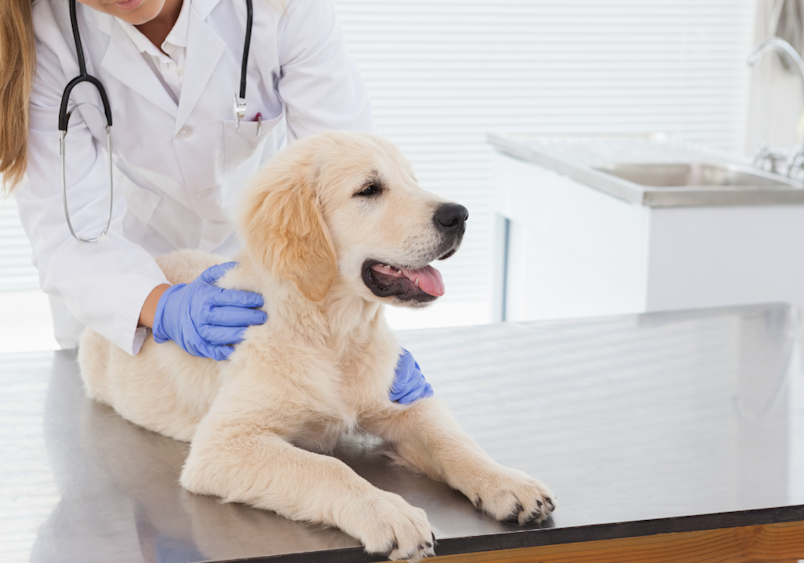
Your vet will take all of your notes and observations as well as a fecal sample and details from an exam to determine the cause of your dog’s diarrhea. In some cases, they may also run some bloodwork or use imaging to get a look at the digestive tract.
From there treatment can be started which may include medications, diet changes, supportive care, or hospitalization.
A lot of dog diarrhea cases are pretty open and shut with basic diagnostics and treatments needed, while others can be fairly intensive.
Why Pet Insurance Matters When Diarrhea Strikes
Even a simple case of diarrhea can require vet visits, lab tests, medications, and sometimes fluids, and those costs add up fast. Dog health insurance can help cover the costs associated with diarrhea in dogs so that you can focus on getting your dog better fast.
A standard office visit will usually run $60–$80, but if your dog needs tests, medications, or fluids for diarrhea, you could easily see $180–$600. And in more serious cases, like if IV fluids, advanced diagnostics, or hospitalization are needed, bills can climb into the $500–$3,000+ range. If a sock is behind your dog’s diarrhea, that little laundry snack could turn into a big surgical bill: $1,500–$5,000 or more. That’s enough to make any pet parent pause.
Having insurance means you don’t have to make tough decisions about whether to wait and see if your dog’s diarrhea clears up because you're worried about the cost. You can act quickly, which often leads to faster recovery and less stress for both of you.
Dog Diarrhea Recovery Timelines
Mild cases of diarrhea from dietary indiscretion or dog food changes will clear up within a few days, especially with a little supportive care. More severe cases from infections or organ dysfunction will take longer but should get better once the underlying cause is controlled.
Generally, the faster you can get to the root of the diarrhea, the sooner you can get it cleared up, especially with proper treatment. Of course, some causes of diarrhea may take longer, especially if surgery is needed to remove a foreign object or tumor, or if it’s difficult to get the inflammation or inciting disease under control.
Preventing Future Dog Diarrhea Episodes
If only there were a way to spare your dog, and your carpets, from the misery of diarrhea. While that’s impossible, there are steps you can take to reduce the chances.
Start by providing your dog with a high-quality dog food and keep it consistent. Don’t make sudden changes to their diet and keep all non-dog food items out of their dinner bowl. This means human foods, even when they’re salivating over that juicy steak you’re eating. Though every once in a while, when they’re not having tummy troubles, you could potentially give them safe frozen dog treats, a bit of carrot, or a couple of green beans.
Make sure you remove other things from their environment that they may eat, like trash, animal feces, or small foreign objects.
Don’t let them mingle with other pups that are sick and maintain regular veterinary care complete with preventative measures such as vaccinations and anti-parasiticides. Purchasing a dog wellness plan can really come in handy to help budget for these expenses so that you can do everything possible to protect your pup from dog diarrhea.
Diarrhea in Dogs
I hate to be the bearer of bad news, but diarrhea is an inevitable part of dog ownership. Fortunately, you can be prepared by understanding what can lead to dog diarrhea, what else to watch out for, what you can do for your dog at home, and when it’s best to see a veterinarian. Understanding the causes and acting quickly means you can protect your pup (and your carpets!) from future disasters.