

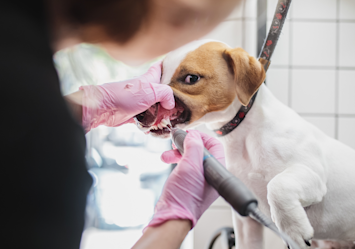
Dental cleaning is an important part of any dog’s health care. Not only does it keep their breath fresh, it also helps treat and prevent major complications in the mouth and other parts of the body. As a veterinarian, I understand that pet parents can have concerns over dog dental cleaning safety, so let’s talk about the ins and outs of canine dental cleanings including how they’re performed, potential side effects and complications, and what your vet will do to mitigate issues.
Do Dogs Really Need Dental Cleanings?
You know it as bad breath, vets know it as periodontal disease, and according to a 2026 study, over half of dogs have it. Every day, your dog’s teeth get coated in a layer of bacteria and food particles called plaque. Over time, plaque hardens into tartar which is irritating to the gums and periodontal tissues that hold the teeth in place. The inflammation causes pain and swelling of the gums and, over time, a breakdown of the periodontal tissues perpetuating tooth loss. Though more rare than in humans, dogs can also get cavities which can lead to pain and tooth loss as well.
Dogs with periodontal disease may show up with:
Difficulty eating
Swollen, red gums
Blood in food and water bowl
Weight loss
Bad breath
The bacteria in a dog’s mouth don’t always stay there. In fact, they love to travel to places like the heart, liver, and kidneys where they can create infections and even organ failure.
Professional canine dental cleanings are the best way to treat and prevent periodontal disease and the potential ensuing complications.
What to Expect During the Canine Dental Cleaning Process
Going to the dentist isn’t many people’s favorite pastime, but knowing what to expect can make the experience a little less stressful. So, let’s shed some light on what happens when your dog goes in for a dental to help relieve some of your concerns.
Pre-cleaning Exam and Bloodwork
Your vet will take a look into your dog’s mouth to confirm the presence of periodontal disease and gauge the extent. They will also listen to your dog’s heart and lungs, give them a good once over, and run blood work to check organ function to ensure your dog is healthy enough for anesthesia.
Day of Dental Cleaning Procedure
Dogs will need to arrive first thing in the morning in order to be sedated and will be asked to stay all day for proper recovery. Your vet will check them over again.
Putting Your Dog Under Anesthesia
Dogs will be put under general anesthesia for a dental cleaning in order to keep them safe, reduce stress, and prevent pain. X-rays will likely be taken, the teeth will be cleaned and polished, and teeth will be extracted if needed.
Recovery After the Dental Cleaning
Once the canine dental cleaning is over, your dog will be moved to recovery to wake up from the anesthesia. This can take a couple of hours for them to get their bearings. Pain levels will be assessed and managed as needed, and your dog will go home when the vet deems them able.
How Often Should Dogs Get Professional Dental Cleanings?

Every dog is different in their dental care needs, but generally speaking, dogs should have their teeth professionally cleaned at least once a year. Higher risk dogs, such as small breeds and brachycephalics, may need more frequent cleanings. Speak to your veterinarian about what dental cleaning schedule is best for your dog.
Is Dog Dental Cleaning without Anesthesia Safe?
You may be tempted to skip the anesthesia in order to put your mind at ease and save some money, but most veterinary organizations and clinics highly advise against it. Though it may seem like a simple solution, anesthesia-free dentals pose several negatives:
Increased risk of veterinarians and staff getting bit
Disease below the gumline may be missed
Not as effective at cleaning
Increased stress for dog
Is Dog Dental Cleaning with Anesthesia Safe?
Any time a dog is put under anesthesia, there is a risk, but your veterinary team will take several precautions before, during, and after anesthesia to help keep your dog safe. This includes pre-anesthetic bloodwork and exams to ensure your dog is healthy enough to undergo anesthesia. They will also be constantly monitored during the process and can be quickly woken up if something isn’t satisfactory.
Are There Any Records of Dog Death After a Dental Cleaning Procedure?
Death following a dental cleaning can happen, but it is extremely rare. A study by the American Veterinary Medical Association found that death following anesthesia of any kind, including surgeries, was less than 0.1%. That’s very low, but don’t be afraid to speak to your vet if you have concerns about your dog.
Dog Dental Cleaning Side Effects After Anesthesia
There’s no doubt that your dog will benefit from a canine dental cleaning, but there are a few side effects to watch out for in the days following.
Coughing
Irritation caused by the intubation tube may leave your dog with a mild cough for a few days. It will likely go away on its own without any treatment.
Grogginess
Anesthesia has a way of leaving a dog feeling out of it and disoriented. You may see lethargy, a decreased appetite, whining, or pacing. Effects can last into the next day following a dental cleaning. Just give your dog a quiet space and some down time until they start feeling like themselves.
Temporary Constipation
Anesthesia can slow down digestive tract contractions, and coupled with pain medications, and pre-dental fasting, it may be two or three days before your dog has a bowel movement. Continue to provide plenty of water, exercise regularly, and increase fiber if necessary.
Thirst
Your dog may feel overly thirsty for the first day or two likely due to pre-dental fasting and anesthesia. Keep plenty of fresh water ready.
Dog Dental Cleaning Risks and Potential Complications
Some dogs are more at risk of developing complications during a dental cleaning. Your vet will take necessary precautions, including pre-anesthetic bloodwork, a pre-dental exam, and constant monitoring during and after the procedure, in order to proceed in the safest route possible.
Advanced age. Older dogs tend to have more health complications that can increase the risk of undergoing anesthesia.
Pre-existing health conditions. Heart, kidney, or liver disease can affect how a dog processes anesthesia and may increase the risk of complications as well as prolong the duration of side effects.
Brachycephalic breeds. Dogs with short faces, like Pugs, Bulldogs, and Boxers, have an increased risk of respiratory issues due to their facial anatomy. Things like narrowed nostrils and trachea, an elongated soft palate, and everted laryngeal saccules can also affect how well they handle anesthesia.
Overweight or obesity. Nothing affects the whole body quite like extra weight. Along with putting extra stress on joints, being overweight or obese can affect anesthesia and organ function.
Adverse reactions to anesthesia or other medications. Some dogs just don’t mesh well with certain medications and may react poorly to the anesthetic drugs. Be sure to tell your veterinarian if your dog has ever had a bad reaction to anesthesia including a longer recovery period.
How to Prepare Your Dog for a Dental Cleaning
The best way to prepare your dog for a dental cleaning is to follow your veterinarian’s instructions before the procedure. Your vet may recommend withholding food the night before anesthesia while allowing access to water until a specified time. Be sure to discuss any medications your dog takes, arrive on time for the appointment, and let your veterinarian know about any recent changes in your dog’s health, such as coughing, vomiting, diarrhea, or decreased appetite.
In the long term, the best preparation you can do for your dog's dental cleaning is to ensure they are as healthy as possible. This includes regular veterinary care, proper nutrition, and regular exercise. Veterinary visits can help diagnose dental disease when it’s more manageable and more successful to treat. Proper nutrition and exercise can help prevent issues such as obesity that can increase anesthesia risks.
How to Minimize Complications from Dental Cleaning in Dogs
The best way to reduce the risk associated with dental cleaning in dogs is to see your vet regularly. Not only will they be able to identify dental disease earlier, they can also spot other health issues while they’re small and easier to treat or manage.
How to Keep Your Dog’s Teeth Clean Between Dental Cleanings

Your dog’s dental health doesn’t start and end at the veterinarian’s office, it should continue at home as well. In between professional cleanings, you can help your dog’s teeth by keeping plaque and tartar to a minimum. This can be achieved through:
Water additives, tooth sprays, or gels that prevent plaque buildup
Veterinary Oral Health Council (VOHC) approved chews or toys
Regular veterinary care to identify problems while they’re small
Dog Dental Cleaning Cost and Coverage
A dog dental cleaning can cost $350-$1,500. Factors that account for the variation include whether x-rays, extractions, or other procedures were necessary. This cost should include bloodwork, pre-dental exams, post-dental medications, as well as the anesthesia and cleaning.
Dog dental cleanings can be pricey, though well worth the cost when it comes to your dog’s health, but we understand that finances can be a concern. Fortunately, dental coverage is included with every dog insurance policy from Embrace Pet Insurance to help with the costs associated with dental issues like gingivitis, periodontal disease, and chipped teeth. Adding an optional Wellness Plan can help you budget for dental cleanings as well as having your dog’s teeth brushed by a groomer or specialty dental care items like toothbrushes, chews, or additives.